
How to Conduct a Thorough Risk Assessment for Your Next Calgary Project


Conducting a thorough risk assessment is a critical step in ensuring the success of any project in Calgary. Understanding potential risks and planning accordingly can help mitigate issues before they arise, saving time and resources. This guide will walk you through the essential steps to perform a comprehensive risk assessment for your next project.

Understanding the Project Scope
The first step in any risk assessment is to define the project scope clearly. Understanding the goals, deliverables, timelines, and stakeholders involved provides a solid foundation for identifying potential risks. A well-defined scope helps in pinpointing areas where risks are most likely to occur.
Ensure that all team members have a clear understanding of the project’s objectives. This collective understanding will aid in identifying risks from multiple perspectives and ensure that no critical aspects are overlooked.
Identifying Potential Risks
Once the scope is clearly defined, the next step is to identify potential risks. These can be categorized into several areas such as financial, operational, environmental, and technological risks. Conduct brainstorming sessions with your team to generate a comprehensive list of possible risks.
- Financial Risks: Budget overruns, unexpected costs, funding issues.
- Operational Risks: Resource availability, process inefficiencies, supply chain disruptions.
- Environmental Risks: Weather conditions, regulatory changes, community impact.
- Technological Risks: System failures, cybersecurity threats, outdated software.

Analyzing the Risks
After identifying potential risks, analyze their likelihood and impact. This step involves assessing the probability of each risk occurring and the extent of its impact on the project. Prioritize risks based on their severity; this helps focus efforts on managing the most significant threats.
Using a risk matrix can be an effective way to visualize and prioritize risks. By plotting the likelihood of occurrence against the impact, you can quickly identify which risks require immediate attention and which can be monitored over time.
Developing a Risk Mitigation Plan
With prioritized risks in hand, develop a mitigation plan to address each one. Strategies might include risk avoidance, reduction, transfer, or acceptance. Assign responsibility to team members for monitoring and managing these risks.
- Avoidance: Altering plans to eliminate the risk.
- Reduction: Implementing measures to reduce the impact or likelihood.
- Transfer: Shifting the risk to a third party, such as through insurance.
- Acceptance: Recognizing the risk and preparing to address it if it arises.
Monitoring and Reviewing
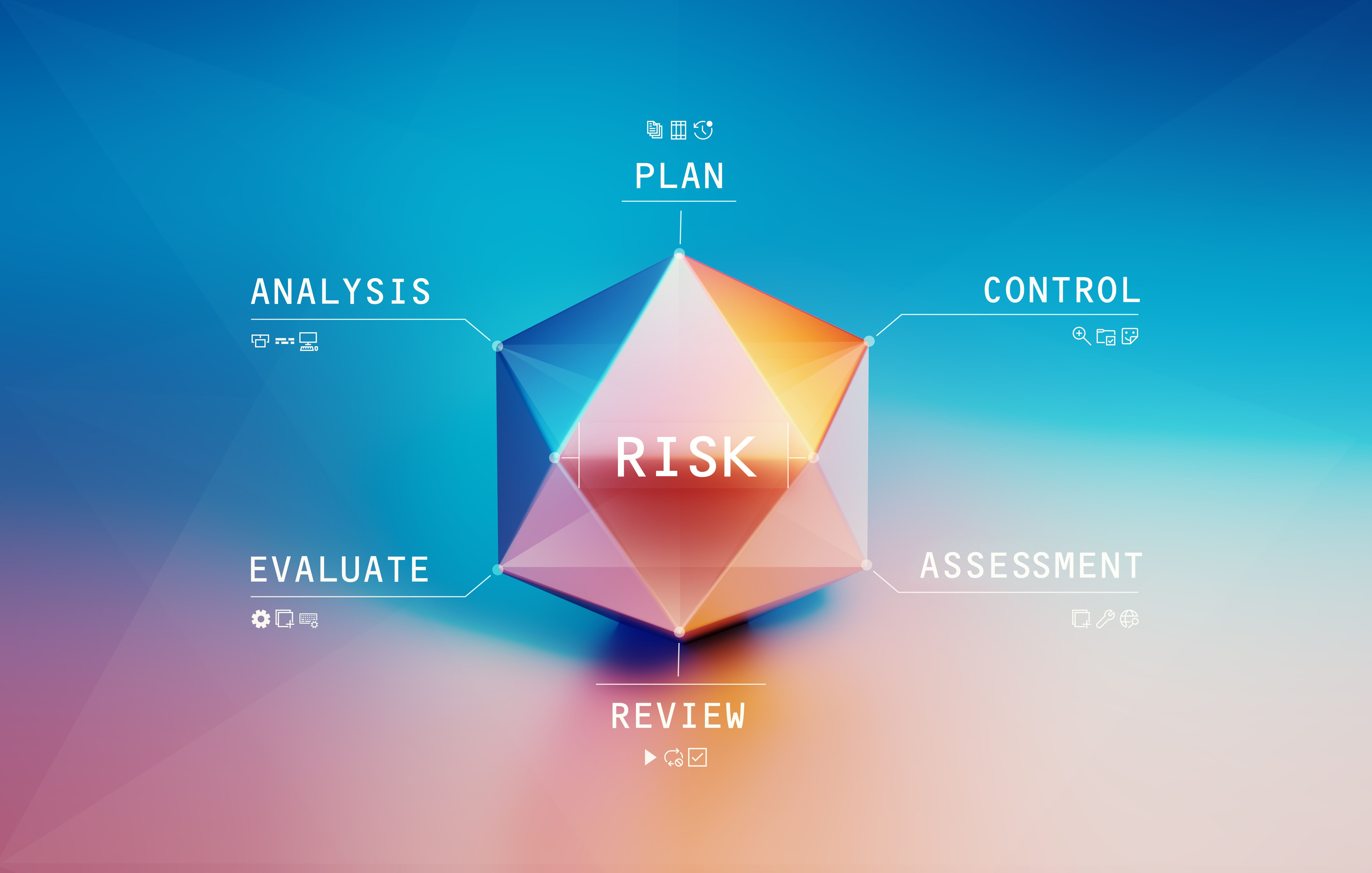
Risk assessment is not a one-time task but an ongoing process. Regularly monitor the identified risks and review your mitigation strategies. This continuous monitoring allows for adjustments to be made as the project evolves and new risks emerge.
Engage your team in regular risk assessment meetings to ensure everyone remains informed and prepared. Document any changes to the risk assessment and mitigation plans to maintain clarity and accountability.
By conducting a thorough risk assessment, you can navigate the complexities of your Calgary project with confidence, ensuring a smoother execution and a higher likelihood of success.