
How to Conduct Effective Risk Assessments in Project Management


Understanding Risk Assessment in Project Management
In project management, risk assessment is a crucial process aimed at identifying potential challenges and obstacles that could impact the success of a project. The primary goal is to anticipate potential risks and develop strategies to mitigate them effectively. By conducting thorough risk assessments, project managers can enhance decision-making and ensure that projects run smoothly.
Risk assessment involves evaluating the probability and impact of various risks. This process not only helps in preparing for unforeseen events but also in allocating resources efficiently. Understanding the nature of risks and their possible consequences allows project teams to prioritize tasks and focus on critical areas.
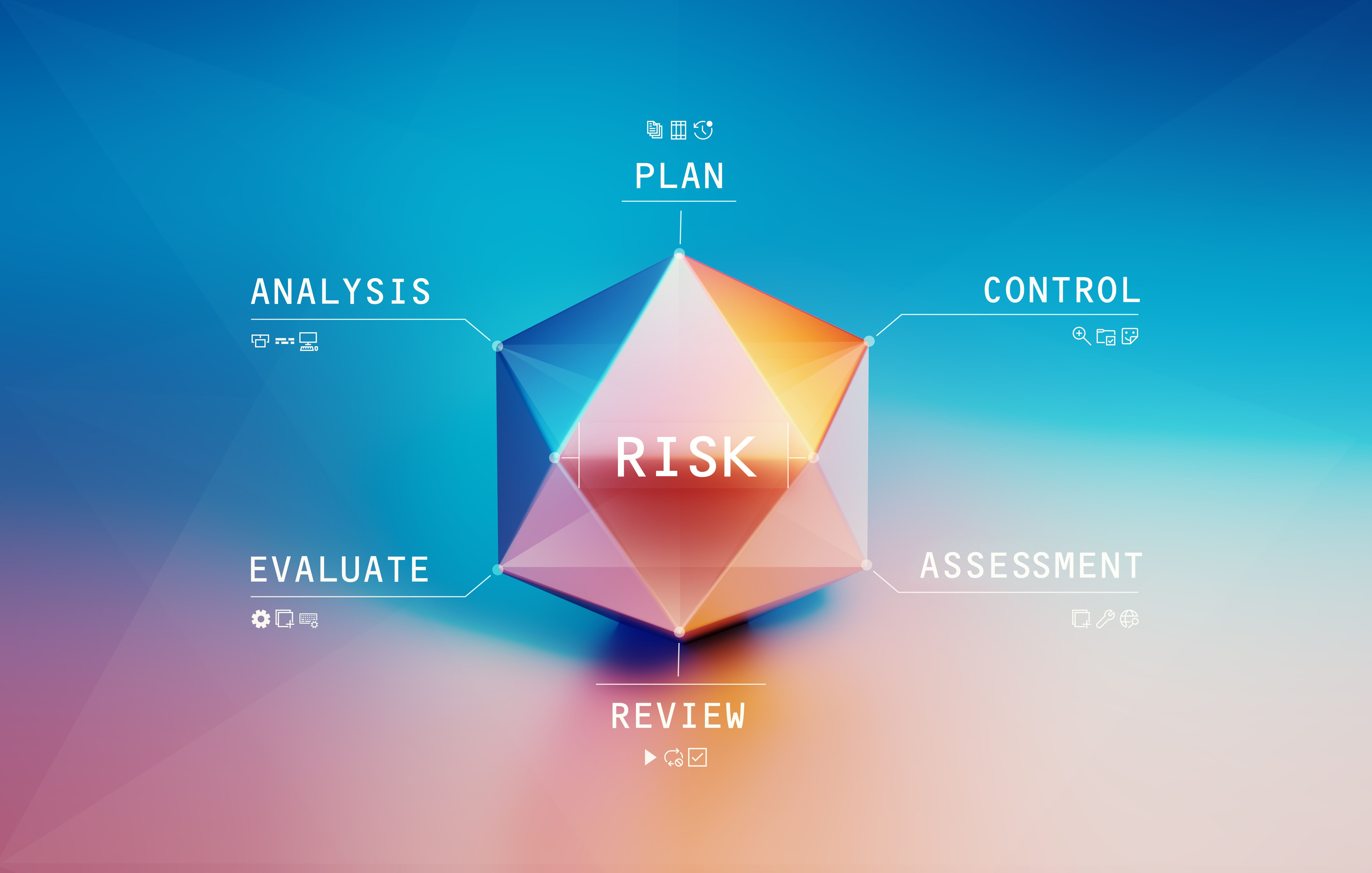
Steps to Conduct an Effective Risk Assessment
Identify Potential Risks
The first step in conducting a risk assessment is to identify the potential risks that may affect the project. This involves brainstorming sessions with team members and stakeholders to gather insights and perspectives. Common risks include budget constraints, resource availability, and technological challenges. It is essential to consider both internal and external factors that might pose a threat to the project's success.
Analyze the Risks
Once risks have been identified, the next step is to analyze them to determine their likelihood and impact. This analysis helps in understanding which risks require immediate attention and which can be monitored over time. Tools such as risk matrices or probability-impact charts are often used to visualize and prioritize risks. It is important to focus on high-probability and high-impact risks to optimize resource allocation.
Develop Risk Mitigation Strategies
After analyzing the risks, project managers should develop strategies to mitigate them. This involves creating a risk management plan that outlines specific actions and responses for each identified risk. Mitigation strategies could include contingency plans, resource reallocation, or adopting new technologies. Effective communication within the team and with stakeholders is vital to ensure everyone is aware of their roles in risk management.
Implement and Monitor
Implementing the risk management plan is a critical step in ensuring that the identified strategies are put into action. Monitoring the risks throughout the project lifecycle is equally important as it helps in identifying new risks and assessing the effectiveness of the mitigation measures. Regularly reviewing and updating the risk management plan ensures that the project remains on track.

Benefits of Proactive Risk Management
Conducting effective risk assessments provides numerous benefits, including improved project outcomes and increased stakeholder confidence. By being proactive in risk management, project managers can make informed decisions, reduce uncertainties, and enhance the project's overall success. Additionally, effective risk management fosters a culture of preparedness and resilience within the organization.
Ultimately, effective risk assessment is a dynamic process that requires continuous attention and adaptation. By embracing a proactive approach to risk management, project teams can not only avoid potential pitfalls but also seize opportunities for innovation and improvement throughout the project lifecycle.