
Navigating Project Strategy: Insights from Top Consultants


Understanding the Importance of Project Strategy
In today's fast-paced business world, crafting a solid project strategy is crucial for success. Top consultants emphasize the need for a well-defined roadmap to navigate the complexities of project management. By aligning objectives with resources and timelines, organizations can achieve their goals more efficiently.
Project strategy serves as the backbone of any initiative, providing clarity and direction. Without it, projects risk veering off course, leading to wasted resources and unmet objectives. Consultants stress the importance of a strategic foundation to guide decision-making and ensure alignment with overall business goals.

Key Elements of a Successful Project Strategy
Defining Clear Objectives
One of the first steps in developing a project strategy is defining clear, measurable objectives. According to top consultants, objectives should be specific, achievable, and aligned with the broader vision of the organization. This clarity helps in setting priorities and allocating resources effectively.
Assessing Risks and Opportunities
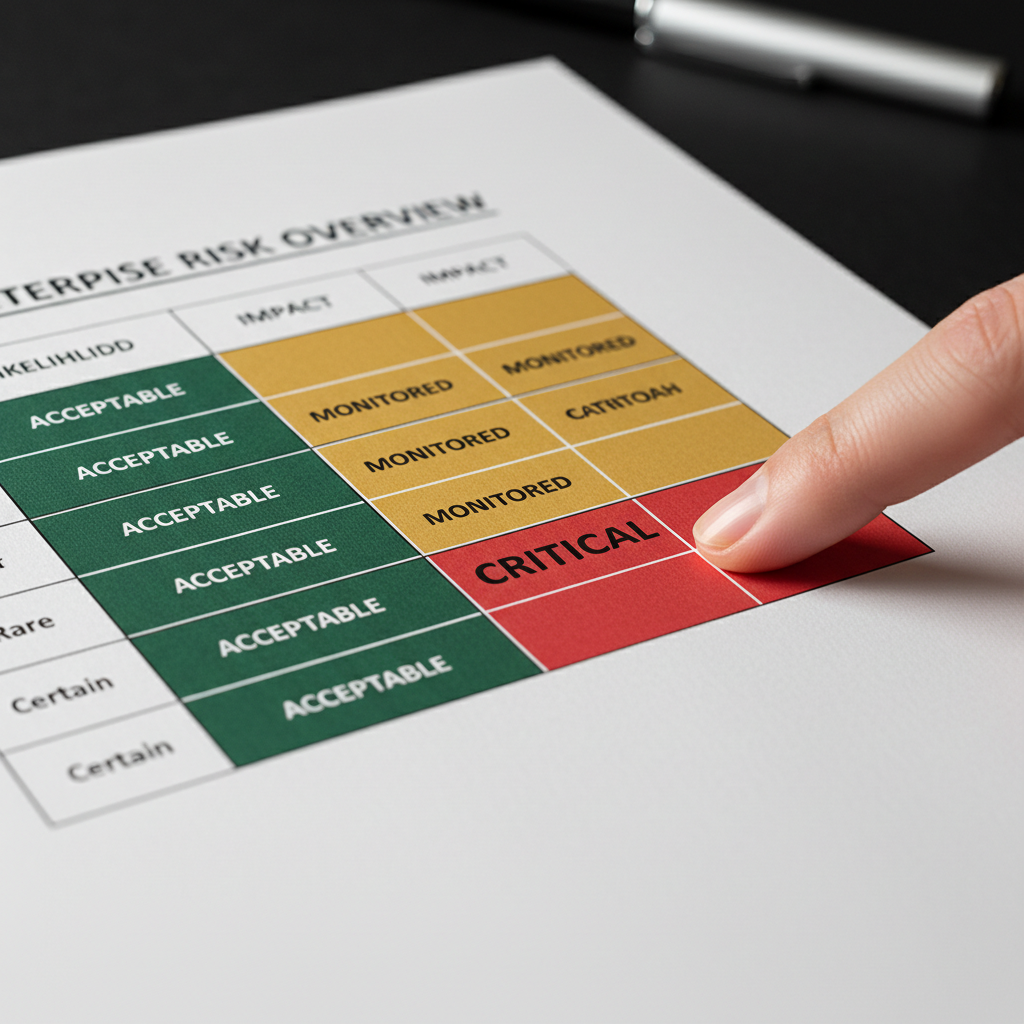
Risk assessment is a crucial element of project strategy. By identifying potential challenges and opportunities early on, project managers can devise contingency plans and leverage opportunities to gain a competitive edge. Consultants recommend regular risk assessments to adapt strategies as projects evolve.
Engaging Stakeholders Effectively
Stakeholder engagement is another critical component of a successful project strategy. Consultants advise involving stakeholders from the outset to ensure their needs and expectations are met. This engagement fosters collaboration and buy-in, which are essential for project success.
Communication is key to stakeholder engagement. Regular updates, transparent communication, and active listening help in building trust and maintaining alignment with project goals. Consultants highlight the importance of a communication plan tailored to different stakeholder groups.

Utilizing Technology and Tools
Leveraging Project Management Tools
Incorporating the right technology and tools can significantly enhance project strategy. Project management software and collaboration tools streamline processes, improve communication, and provide real-time insights. Consultants recommend selecting tools that align with the project’s complexity and team dynamics.
Data-Driven Decision Making
Data plays a pivotal role in shaping project strategy. By analyzing data, project managers can make informed decisions, track progress, and adjust strategies as needed. Top consultants emphasize the use of data analytics to predict trends and optimize resource allocation.

Continuous Improvement and Adaptation
A successful project strategy is not static; it requires continuous improvement and adaptation. Consultants suggest regular reviews and feedback loops to evaluate performance and identify areas for enhancement. This proactive approach ensures the strategy remains relevant and effective throughout the project lifecycle.
Ultimately, navigating project strategy is about balancing planning with flexibility. By leveraging insights from top consultants, organizations can enhance their project outcomes and drive sustained success.