
Navigating Seasonal Challenges in Project Management


Understanding Seasonal Challenges
Project management can be a complex endeavor, especially when seasonal challenges come into play. These challenges might vary depending on the industry, geographical location, or project type. Whether it’s the holiday season, summer vacations, or winter weather conditions, each season brings its own set of hurdles that project managers must navigate.
Understanding the specific challenges associated with each season is crucial for effective project planning. By anticipating potential disruptions, project managers can create more resilient plans that account for these variables.

Managing Resource Availability
One of the most significant challenges during certain seasons is the availability of resources. During the summer months, for example, team members may take vacations, which can lead to reduced workforce capacity. Similarly, the holiday season can affect resource availability and productivity due to time off and holiday distractions.
To manage these challenges, it’s important to plan ahead. Consider creating a clear schedule that accounts for known absences, and ensure that team members are cross-trained to cover for each other. This proactive approach helps maintain project momentum even when key personnel are unavailable.
Flexible Scheduling
Implementing flexible scheduling can also help mitigate the impact of seasonal absences. Allow team members to work remotely or shift their hours to accommodate personal commitments, while still meeting project deadlines.

Adapting to Weather Conditions
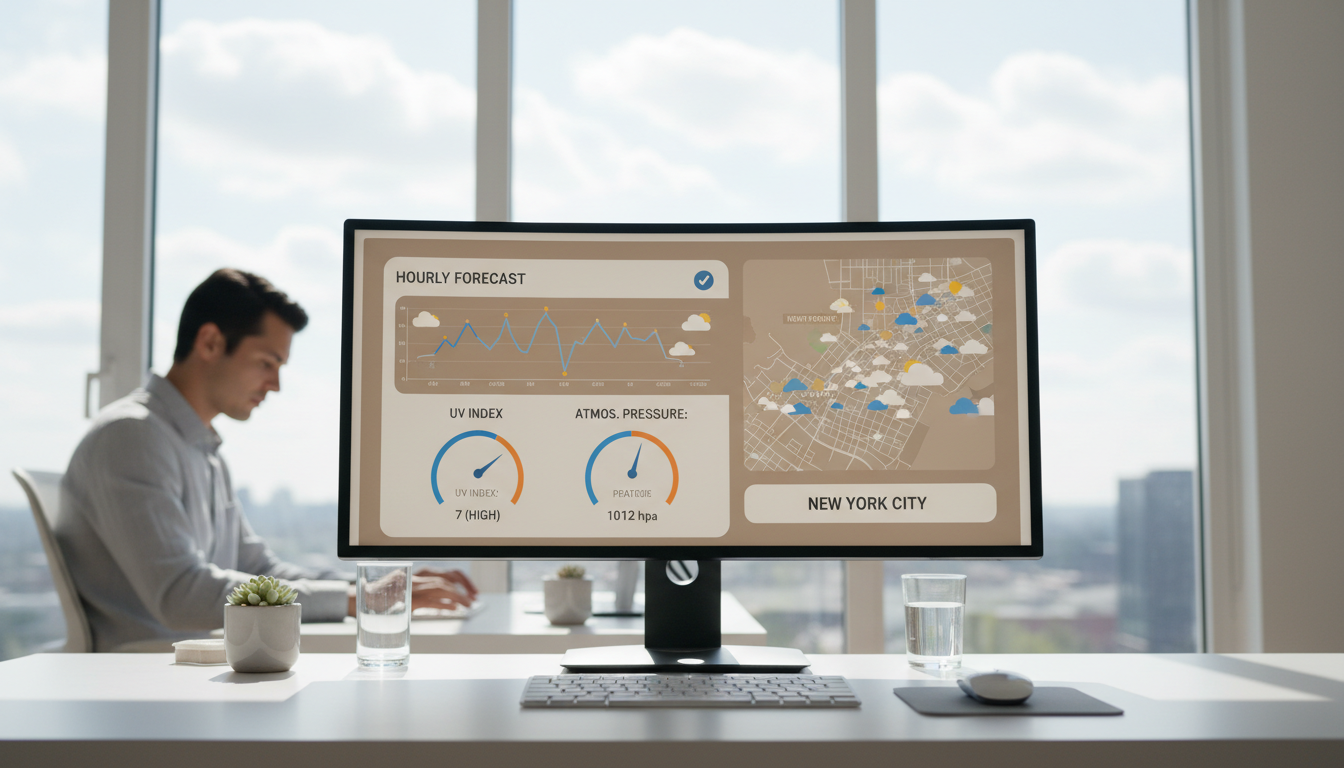
Weather can significantly impact projects, especially those in construction, agriculture, or outdoor settings. Winter storms, heavy rains, or extreme heat can cause delays and increase risks. It’s essential for project managers to incorporate weather forecasts into their planning and build contingency plans to address potential delays.
Regular communication with the team about weather-related risks and updates is vital. This allows for quick adjustments to the project plan, ensuring safety and minimizing disruptions.
Contingency Planning
Developing a robust contingency plan is a key strategy for dealing with weather-related challenges. This plan should include alternative strategies, such as rescheduling tasks, reallocating resources, or adjusting timelines to accommodate unforeseen weather conditions.
Handling Supply Chain Disruptions
Seasonal changes can also impact supply chains, leading to delays in receiving necessary materials or equipment. This is particularly true during peak seasons when demand increases, or during adverse weather conditions that affect transportation.
To mitigate these risks, project managers should establish strong relationships with suppliers and maintain open communication. Having backup suppliers and keeping an inventory buffer can also help manage unexpected supply chain disruptions.
Effective Communication
Maintaining a line of open communication with suppliers and stakeholders ensures that everyone is aware of potential delays and can plan accordingly. Transparency builds trust and facilitates smoother project execution.
By understanding and preparing for seasonal challenges, project managers can ensure their projects remain on track, even in the face of adversity. Effective planning, flexibility, and communication are key to navigating these obstacles successfully.